
Building the Perfect CQB Platform: My VFC MP5K Setup
Building the Perfect CQB Platform: My VFC MP5K Setup
I took the VFC MP5K to the field the same day I unboxed it. That should tell you something about how immediately usable this platform is out of the box. But usable and optimized are two different things. After running it stock for a few games, I knew exactly what needed to change to turn this compact AEG into a proper CQB primary.
This is the build breakdown.
The Base Platform
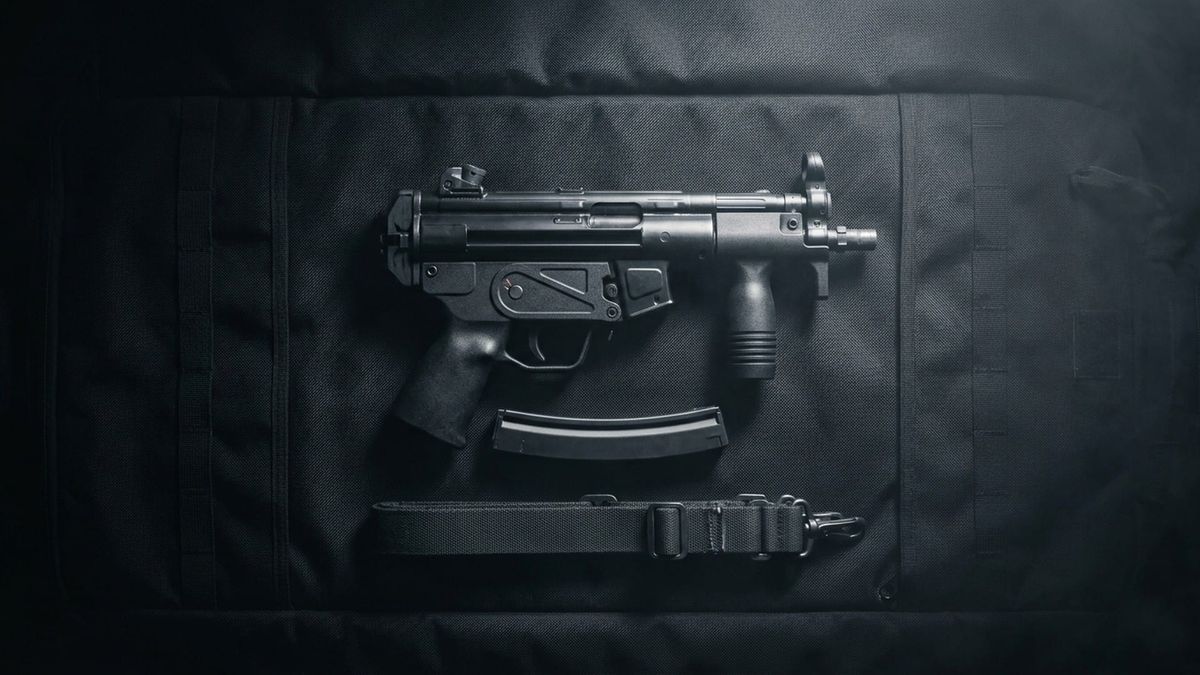
The VFC MP5K needs little introduction. It’s the compact variant of the MP5 line, and VFC’s version captures what makes this form factor work: minimal footprint, point-and-shoot handling, and that recognizable profile that somehow still turns heads at the field.
What surprised me was the stock. The factory folding stock on the MP5K gets mixed opinions online, but I’m firmly in the camp that thinks it’s excellent. It locks up secure with zero play, folds fast when you need to transition to pistol or navigate tight doorways, and doesn’t interfere with reloads in any meaningful way. I’ve run the MP5A5 with its retractable stock, and there’s noticeably more wobble in that setup. The MP5K’s stock feels more solid.
The Build Process
My goal was simple: optimize this platform for indoor CQB without ruining what makes it good. That meant adding capability for dark environments and improving target acquisition speed, while keeping the compact profile that makes the MP5K worth running in the first place.
Tracer Unit: G&G Internal Fit
First priority was a tracer. If you’re playing indoor CQB, tracers aren’t optional—they’re essential for tracking shots in low light and confirming hits when you’re snapping between targets quickly. I installed a G&G tracer unit internally, which keeps the exterior profile clean while giving me the illuminated trail I need for dark room entries.
The installation was straightforward. The MP5K’s handguard has enough internal space to accommodate the tracer without interfering with the battery or barrel assembly. Getting the alignment right took some adjustment, but once dialed in, it’s been rock solid.
Light and Laser: Carbon Works Combo
Next was addressing visibility. CQB fields vary wildly in lighting—some rooms are flooded with overhead LEDs, others are pitch black corners where you can’t see your hand in front of your face. I added a Carbon Works light and laser combo to the front rail.
The light gives me positive target identification in dark spaces, which is a safety issue as much as a tactical one. The laser? Honestly, I use it less than I expected. It’s there if I need it, but the MP5K’s iron sights are fast enough that I’m not finding myself switching to the laser dot as often as I thought I would. Still, having the option matters.
Optic: Mounted but Questioning
I put an optic on the top rail because I like having magnification options. Here’s the thing though: I’m using it less and less in CQB. My target acquisition speed with iron sights has improved to the point where the optic actually slows me down on close targets. The dot bounces more than you’d expect when you’re snapping between doorways, and by the time I’ve found the dot, I’ve already acquired the target with the front post.
The optic stays on for now because it doesn’t hurt to have it, and for longer sight lines down hallways, it’s useful. But if I were building this purely for tight indoor work, I might skip it entirely and save the weight.
Sling Setup: Blue Force Gear + Agile Light
The final piece was retention. I run an Agile Light Reflex Sling on most of my platforms, and the MP5K needed a way to attach it. The factory sling loop on the MP5K is functional but exposed, so I added a Blue Force Gear little loop piece to create a more secure attachment point.
The result is a sling setup that keeps the platform tight to my body when I’m transitioning to pistol or climbing obstacles, but lets the MP5K drop into a natural firing position when I need it.
Field Performance
I mentioned testing this at the field same-day, and that wasn’t hyperbole. The MP5K performed better than I expected right out of the box, and the build has only improved it. The trigger response is crisp, the rate of fire is violent (in the best way), and the compact size lets me snap around corners without catching on doorframes.
The tracer unit was the biggest game-changer. Being able to track your BBs in dark environments completely changes how you approach room clears. You can adjust your aim in real-time based on where the trail shows your shots going, which is invaluable when you’re engaging multiple targets quickly.
What I’d Change
If I were building this again from scratch, I’d probably skip the optic and put that money toward extra magazines or a better battery. The MP5K’s iron sights are fast, and in CQB, fast beats precise most of the time.
I’d also experiment with different handguard options. The factory handguard works fine, but there’s room for something with more rail real estate if I wanted to move the light further forward or add a foregrip.
Final Thoughts
The VFC MP5K is one of those platforms that doesn’t need much to be effective. It’s good out of the box, and with a few thoughtful additions—tracer, light, sling—it becomes a legitimate primary for CQB work. The build took about an hour total, and the result is a platform that fits my play style perfectly.
If you’re considering an MP5K for CQB, my advice is simple: run it stock first. Figure out what actually limits you in game, then add capability to solve those specific problems. Don’t build for hypotheticals. Build for the way you actually play.
Watch the full build process: My Custom VFC MP5K CQB Build (YouTube)
What’s your CQB setup? Do you run an optic or stick to iron sights? Drop your build in the comments.